Bringing the Casino Table to Your Pocket: Felt-Inspired Designs in UK Mobile Roulette Applications
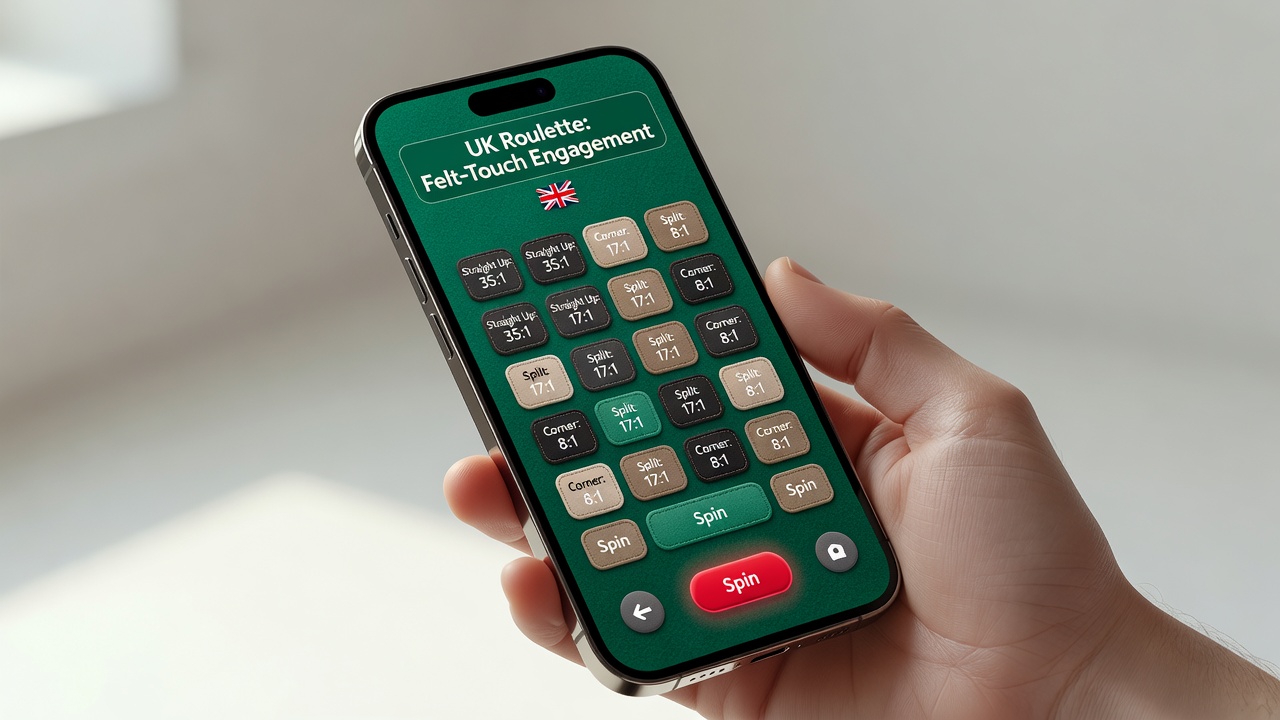
Designers have begun recreating the visual and spatial cues of traditional roulette felt surfaces within mobile applications, and this approach has produced measurable shifts in how players interact with digital wheels across Britain. The layouts place betting grids, neighbor sectors, and zero pockets in positions that mirror physical table dimensions while scaling them for smaller touchscreens, and developers achieve this through vector-based graphics that maintain proportions during screen rotations. Data collected from app analytics platforms in early 2026 shows that sessions featuring these replicated felt elements last longer on average than those using abstract or minimalist alternatives, particularly among users accessing services through 5G networks in urban centers.
Core Elements Transferred from Physical Tables
Green baize textures appear as background layers beneath interactive betting zones, while chip stacks retain the same color coding and stacking order seen in land-based venues, and this consistency reduces the learning curve for individuals transitioning between environments. The wheel itself occupies a fixed quadrant on the right side of the portrait view, with pocket numbers arranged clockwise in the classic sequence, whereas the left side hosts the grid that expands or contracts based on finger gestures. Observers note that such positioning echoes the natural eye movement from wheel to layout that occurs at real tables, and developers have incorporated subtle shadow effects under the chips to enhance depth perception on OLED displays common in recent UK handset models.
Engagement Patterns Observed in 2026
Analytics firms tracking user behavior report that felt-mimicking interfaces generate higher tap frequency within the first three minutes of play compared with flat designs, and this holds true across both iOS and Android ecosystems. July 2026 saw several major operators release updated versions that refined the drag-and-drop mechanics for placing multiple bets simultaneously, and those updates aligned with the release of new handset models featuring larger aspect ratios. Research conducted by the University of Nevada's gaming technology group indicates that spatial familiarity contributes to quicker decision-making when players select voisins or tiers bets, because the on-screen sectors occupy the same relative locations as their physical counterparts.
Technical Implementation Details
Developers rely on responsive frameworks that adjust felt texture resolution according to device pixel density, ensuring that the weave pattern remains visible without causing visual noise on high-definition screens. Touch targets around individual numbers expand slightly when a user hovers a finger nearby, and this feature draws directly from the physical felt's raised borders that help dealers and players distinguish adjacent pockets. Sound design incorporates low-volume felt-scraping effects when chips move across the grid, complementing the visual replication without overwhelming the audio experience during live dealer sessions. 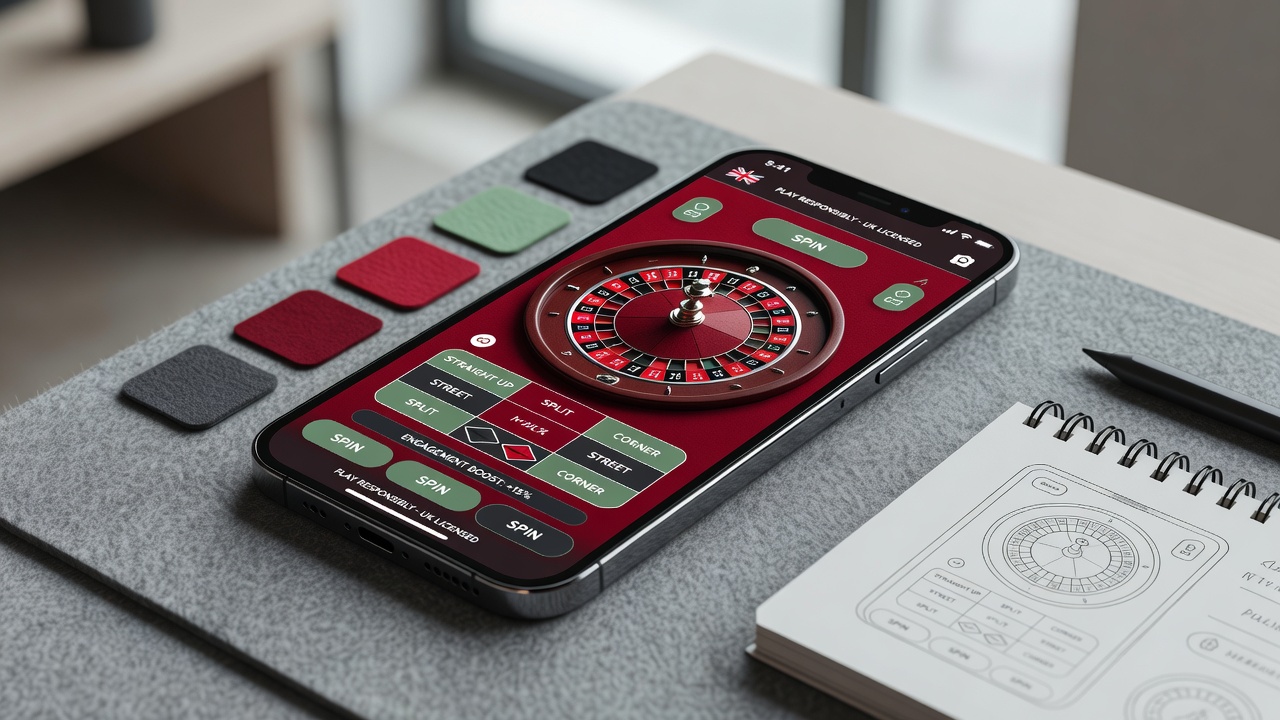
Industry reports from the European Gaming and Betting Association highlight that operators investing in these tactile-inspired interfaces have recorded improved retention rates among players aged 25 to 40, a demographic that frequently switches between portrait and landscape orientations during commutes. The same reports note that integration with biometric authentication allows users to confirm large bets with a fingerprint while maintaining the visual flow of the felt layout uninterrupted. Developers continue to test variations in lighting angles that simulate overhead casino lamps, and early results suggest these adjustments further reduce eye strain during extended evening sessions common among UK users.
Regional Adoption Trends
Operators based in Malta and Gibraltar have supplied updated design kits to British-facing platforms, and these kits include modular components that let each casino brand apply its own color accents while preserving the core felt geometry. Data from app store performance metrics reveal that titles incorporating the full felt recreation achieve higher user ratings in the UK store than comparable apps using generic interfaces. Academic papers published through Canadian research networks on human-computer interaction in gaming environments support the observation that familiar spatial arrangements lower cognitive load, allowing players to focus on strategy rather than interface navigation.
Conclusion
Felt-inspired interface elements continue to shape mobile roulette applications serving the British market, with ongoing refinements tied to hardware advancements and player behavior data. The combination of traditional table proportions, responsive touch mechanics, and consistent visual language supports sustained engagement without requiring players to adapt to entirely new layouts. As device capabilities evolve through the remainder of 2026, further iterations are expected to maintain this bridge between physical and digital experiences.