Certification Standards Shaping Mechanical Roulette's Integration into Regulated UK Markets
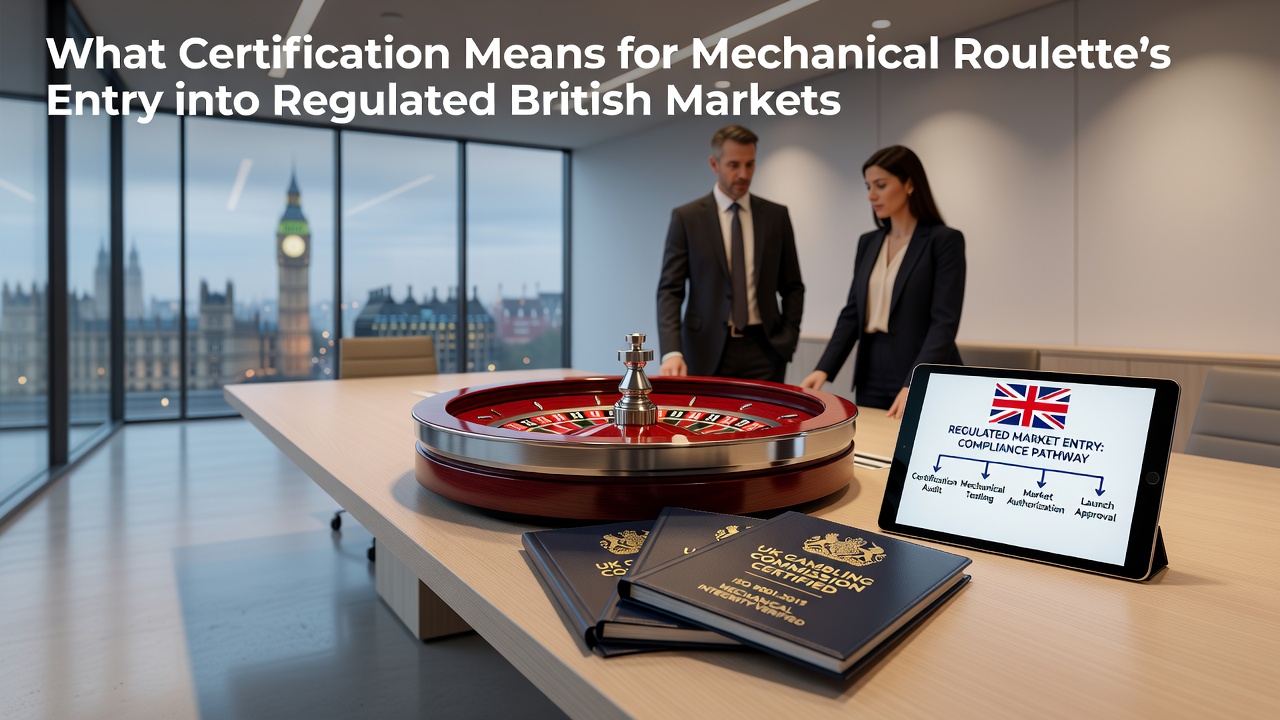
Certification processes establish the framework that allows mechanical roulette systems to operate within Britain's tightly controlled gambling sector where physical equipment must meet rigorous technical and safety benchmarks before deployment. Manufacturers pursue approvals from accredited testing laboratories that verify wheel balance, ball trajectory consistency, and tamper resistance through standardized protocols developed across international gaming jurisdictions.
Understanding Certification Requirements for Physical Systems
Mechanical roulette differs fundamentally from its electronic counterparts because outcomes derive from physical dynamics rather than algorithmic generation, which means certification focuses on hardware integrity instead of software validation. Laboratories examine components including the rotor assembly, frets, and ball return mechanisms to confirm that no external influences can alter results beyond natural variance, and this evaluation draws from standards set by bodies such as the Malta Gaming Authority along with testing criteria established by the Nevada Gaming Control Board.
Operators seeking entry into regulated environments must demonstrate compliance across multiple layers including random outcome verification, equipment durability under continuous use, and integration with venue monitoring systems. Data from industry reports indicate that certification timelines typically span between six and eighteen months depending on the complexity of the design modifications requested during initial assessments.
Technical Evaluations Conducted During Approval Stages
Testing facilities subject wheels to extended spin cycles that simulate years of operational wear while recording deviation statistics to ensure house edge parameters remain within prescribed tolerances. Sensors measure friction coefficients at contact points between the ball and track surfaces, and calibration procedures adjust for environmental factors such as temperature fluctuations that could otherwise introduce unintended biases over time.
Security protocols form another critical dimension where certification requires embedded detection systems capable of identifying interference attempts whether through magnetic fields or mechanical manipulation. Research conducted by the European Gaming and Betting Association highlights how these safeguards protect both operators and participants by maintaining transparent play conditions that align with broader regulatory expectations for consumer protection.
Market Access Implications Following Successful Certification
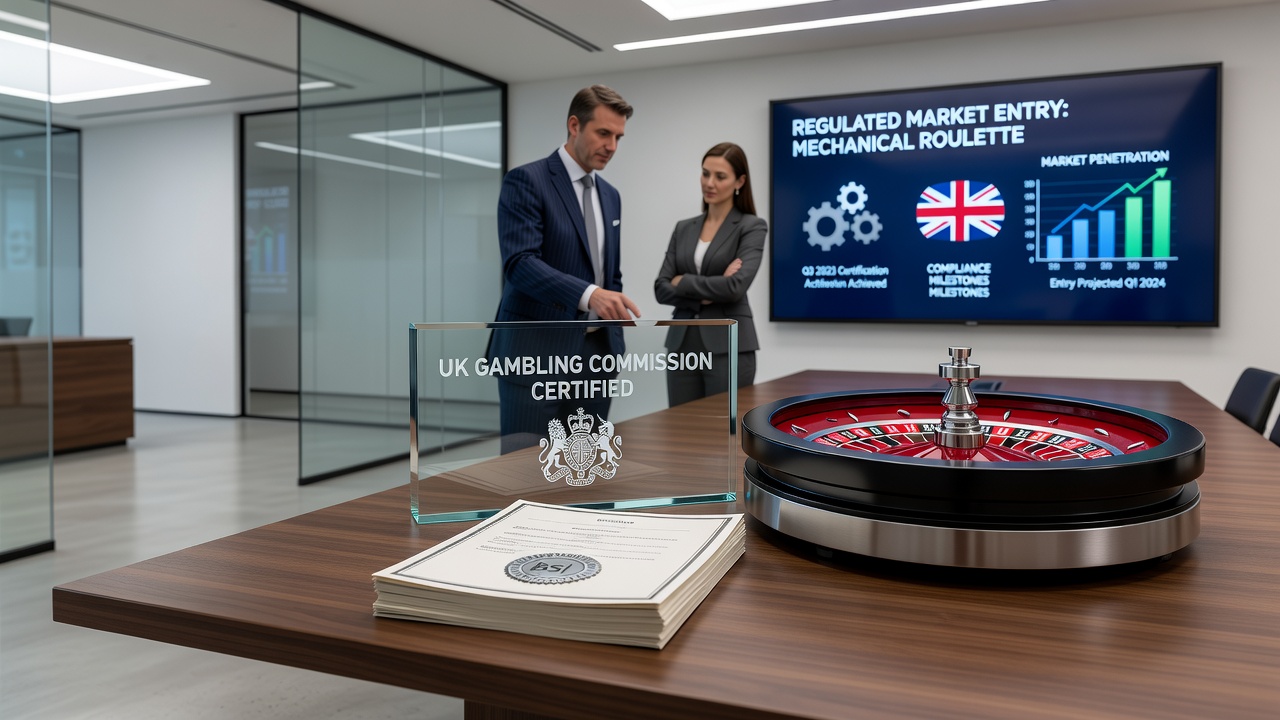
Once certification clears all required hurdles, mechanical roulette gains eligibility for placement in licensed venues that fall under B3 category regulations governing certain casino-style equipment. This approval opens pathways for suppliers to contract with operators who must otherwise restrict offerings to previously validated formats, and June 2026 marks several anticipated installations following earlier demonstrations at major industry gatherings.
Venues benefit from diversified product ranges that attract segments of players preferring tangible interaction over screen-based alternatives, while certification documentation provides the necessary audit trails for ongoing compliance reporting. Figures from gaming technology assessments reveal that certified mechanical systems experience lower dispute rates compared to non-approved alternatives because standardized testing reduces ambiguity around outcome fairness.
Challenges Manufacturers Encounter in the Certification Pipeline
Design teams often iterate multiple times on wheel geometry and material selections to satisfy both performance thresholds and cost constraints imposed by certification bodies. Each revision triggers additional rounds of independent verification that extend development budgets and delay commercial launches, yet these steps ultimately strengthen product reliability once equipment reaches the market floor.
Coordination between suppliers and regulatory consultants becomes essential when addressing region-specific adaptations such as voltage compatibility for integrated lighting or linkage requirements to central reporting platforms. Those who have navigated similar processes note that early engagement with testing laboratories streamlines later stages by identifying potential non-compliance issues before full-scale production begins.
Future Outlook for Certified Mechanical Roulette Expansion
Continued refinement of certification frameworks may incorporate emerging sensor technologies that provide real-time performance analytics without compromising the mechanical nature of the game. Industry observers track how updates to testing methodologies in 2026 could further align British requirements with those applied in other European markets, potentially easing cross-border equipment transfers for manufacturers already holding multiple approvals.
Conclusion
Certification serves as the gateway mechanism that translates mechanical roulette innovations into viable options for Britain's regulated gaming landscape, ensuring equipment adheres to established benchmarks for fairness, security, and operational consistency. Through structured evaluations conducted by independent laboratories, manufacturers demonstrate that physical systems can meet the same accountability standards applied to digital alternatives, thereby expanding choice for operators and participants alike while reinforcing the integrity of the overall sector.