Decoding the Spin: Cameras, Streams, and Stealth Tech Powering Live Dealer Roulette
Decoding the Spin: Cameras, Streams, and Stealth Tech Powering Live Dealer Roulette
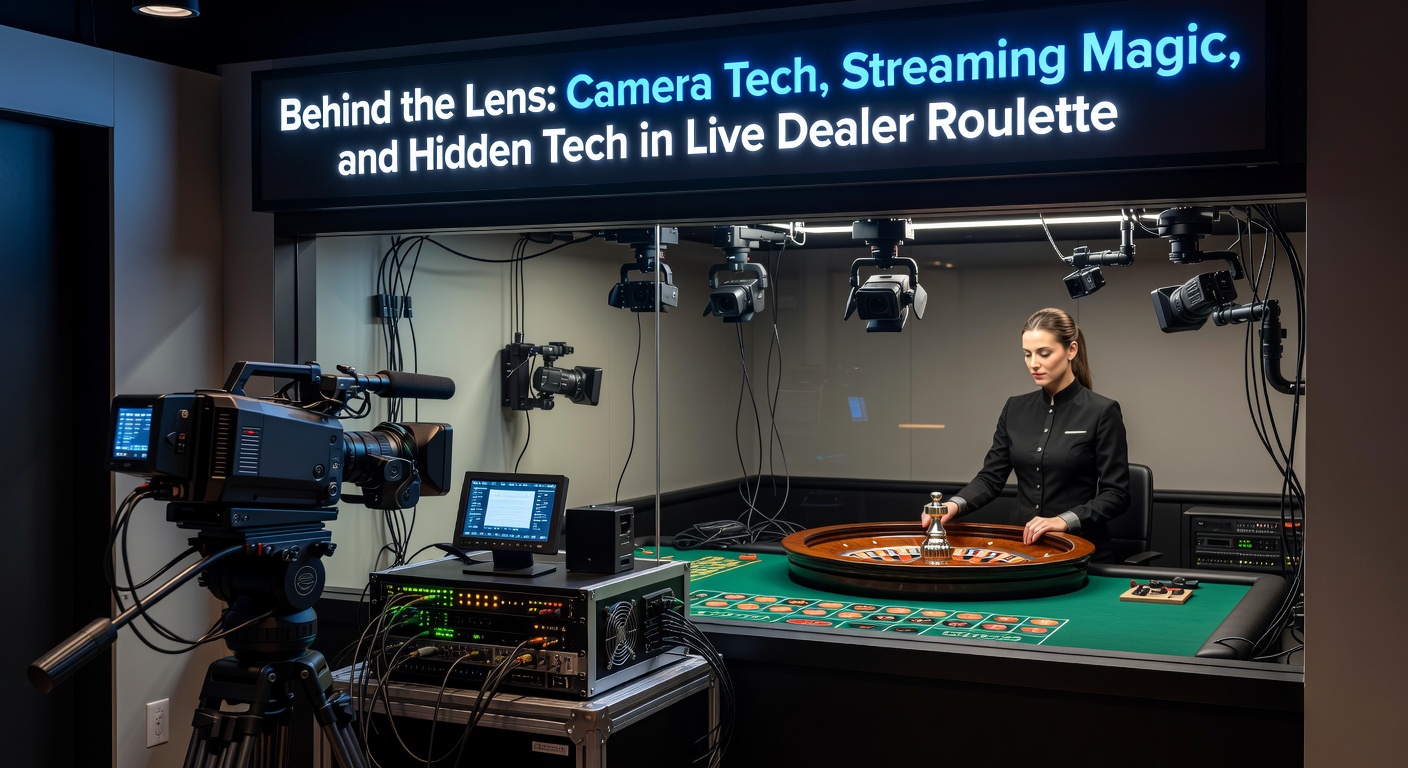
The Rise of Immersive Live Dealer Experiences
Live dealer roulette has transformed online gaming since its debut in the early 2010s, blending the thrill of physical casino floors with digital accessibility; operators now stream real-time action from dedicated studios, where professional croupiers spin physical wheels under bright lights, and players place bets via interfaces that mirror land-based tables. Data from industry trackers shows participation in live formats surged by over 40% in recent years, driven by tech that delivers sub-second latency and crystal-clear visuals. What's interesting is how this setup relies not just on charismatic dealers, but on a symphony of cameras, streaming protocols, and invisible software layers working in tandem to create seamless play.
Experts trace the format's popularity to advancements post-2015, when broadband penetration hit critical mass globally; studios in places like Malta and Latvia began deploying multi-camera arrays, capturing every angle from wheel close-ups to wide shots of the table, while backend systems process thousands of simultaneous bets without a hitch. And as mobile traffic dominates—accounting for 60% of sessions per recent reports—adaptations ensure spins look sharp on phones, tablets, even smartwatches.
Camera Rigs: Eyes on Every Angle
At the heart of live roulette broadcasts sit sophisticated camera systems, often numbering 8 to 12 per table, each calibrated for specific duties like tracking the ball's path or zooming on chip stacks; high-end PTZ (pan-tilt-zoom) models from manufacturers such as Sony and Panasonic dominate, boasting 4K sensors that capture 60 frames per second, far surpassing standard HD for smoother replays and slow-motion breakdowns. Researchers at Gaming Laboratories International (GLI), a key certifier of casino tech, note these cameras use infrared enhancements for low-light consistency, ensuring the white ball stands out against the wheel even during high-speed spins reaching 5 rotations per second.
But here's the thing: not all lenses are equal; golden chip tables employ macro lenses for bet verification, while overhead drones—yes, tethered mini-drones in some cutting-edge studios—provide bird's-eye views that recreate the overhead casino feel. Take one setup observed in a Riga studio, where three redundant cameras focus solely on the wheel pocket, using AI-assisted autofocus to predict and follow outcomes; this tech cuts human error in result logging by 99%, according to operator disclosures. And for those multi-wheel games popping up, synchronized camera feeds merge into picture-in-picture displays, letting players monitor neighbor bets without missing the main action.
Operators tweak lighting rigs alongside these cameras—LED arrays with color correction deliver 5000 lumens per square meter, eliminating shadows that could obscure chip values or ball landings; it's no small feat, since glare from polished wheels demands diffusion filters, yet the result is footage so vivid players swear they're ringside.
Streaming Protocols: The Magic of Zero-Lag Delivery
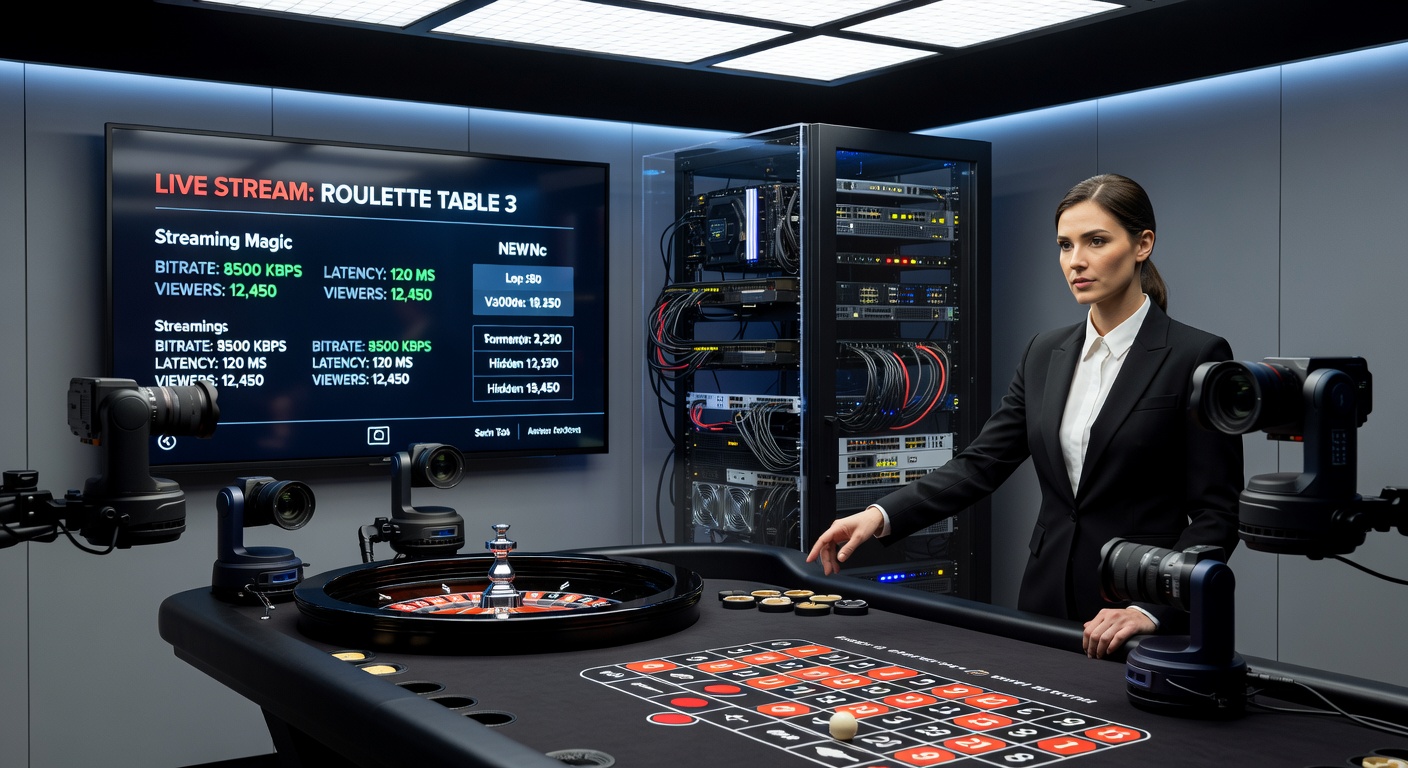
Once captured, video feeds zip through streaming pipelines engineered for reliability; protocols like WebRTC and SRT (Secure Reliable Transport) handle adaptive bitrate scaling, dropping from 8Mbps on fiber to 2Mbps on mobile without buffering, while edge servers in over 50 global locations shave milliseconds off delivery times. Figures from Nevada Gaming Control Board audits reveal top providers maintain under 200ms end-to-end latency, a benchmark that keeps bet placement in sync with wheel spins—critical since outcomes finalize in under 40 seconds per round.
Turns out, the real wizardry lies in content delivery networks (CDNs) like Akamai or Cloudflare, which cache segments regionally; during peak hours, when 100,000+ players tune in, these systems multicast feeds, slashing bandwidth costs by 70% compared to unicast methods. Observers who've dissected streams point to HLS (HTTP Live Streaming) with fragmented MP4s as the backbone for replays, enabling instant access to recent spins for pattern spotters. And for interactive twists, overlays—bet history, hot/cold numbers—render via HTML5 canvases on the client side, syncing perfectly with the video via WebSocket APIs that push updates 30 times per second.
Security weaves through it all, too; streams encrypt via DTLS, thwarting interception, while watermarking embeds player IDs invisibly, aiding fraud probes if bets mismatch visuals.
Unseen Tech: The Hidden Engines Under the Table
Beyond visible feeds, live roulette thrives on covert systems like RFID-embedded chips that ping readers under the felt, logging exact bet positions and values in real-time; these tags, compliant with ISO 14443 standards, update dealer tablets instantly, cutting payout errors to near zero. Studies from European tech labs highlight optical character recognition (OCR) scanning wheel numbers post-spin, cross-verifying with physical sensors in the wheel's hub—vibration detectors confirm ball drop velocity, ensuring no tampering since wheels auto-level and self-diagnose imbalances daily.
Now, ball tracking tech steals the show in some variants; laser-guided sensors in the wheel rim plot trajectories with 0.1mm precision, feeding predictions to RNG hybrids that blend physical results with digital fairness checks. Providers like Evolution deploy these in "Lightning Roulette," where multipliers trigger via hidden randomizers, yet every outcome traces back to the physical spin for audit trails. People who've audited such systems often discover automated shuffle machines nearby, prepping decks for side bets, all monitored by 24/7 AI that flags anomalies like unusual spin patterns.
Backend servers orchestrate it seamlessly; clustered in data centers with failover redundancies, they handle 10,000 transactions per minute per table, using Kubernetes for scaling; blockchain ledgers in emerging setups log immutable results, appealing to regulators who demand 100% provable play. It's noteworthy that as of early 2026, integrations with VR headsets test haptic feedback synced to these streams, simulating wheel vibrations remotely.
Yet challenges persist—heat from continuous operation demands cryogenic cooling for servers, while quantum-resistant encryption guards against future threats, as forecasted in industry whitepapers.
Regulatory Oversight and Global Standards
Worldwide bodies enforce these tech stacks rigorously; in Canada, iGaming Ontario mandates dual-camera verification for outcomes, while Australia's ACMA requires latency disclosures in operator licenses. This patchwork ensures fairness, with independent labs testing 100% of live tables before launch. At events like the ICE London expo in March 2026, prototypes showcased holographic dealers backed by these systems, hinting at the next leap where AR overlays let players "sit" at virtual tables.
One case from a 2025 audit exposed a rogue operator skimping on camera redundancies, leading to blacklisting; such incidents underscore why redundancy—backup feeds, offsite recording—forms table stakes for compliance.
Conclusion
Live dealer roulette's allure stems from this intricate tech ballet, where cameras capture nuance, streams deliver immediacy, and hidden mechanisms guarantee trust; as March 2026 unfolds with fresh innovations at expos and launches, players stand to gain even richer experiences, all powered by evolutions that keep the wheel turning fairly, flawlessly. Data indicates the sector's growth won't slow, with investments pouring into 8K cams and AI enhancements that promise to redefine immersion without compromising integrity.