Sector Wagering Trends Take Hold in Digital Roulette Platforms Under Shifting Global Rules
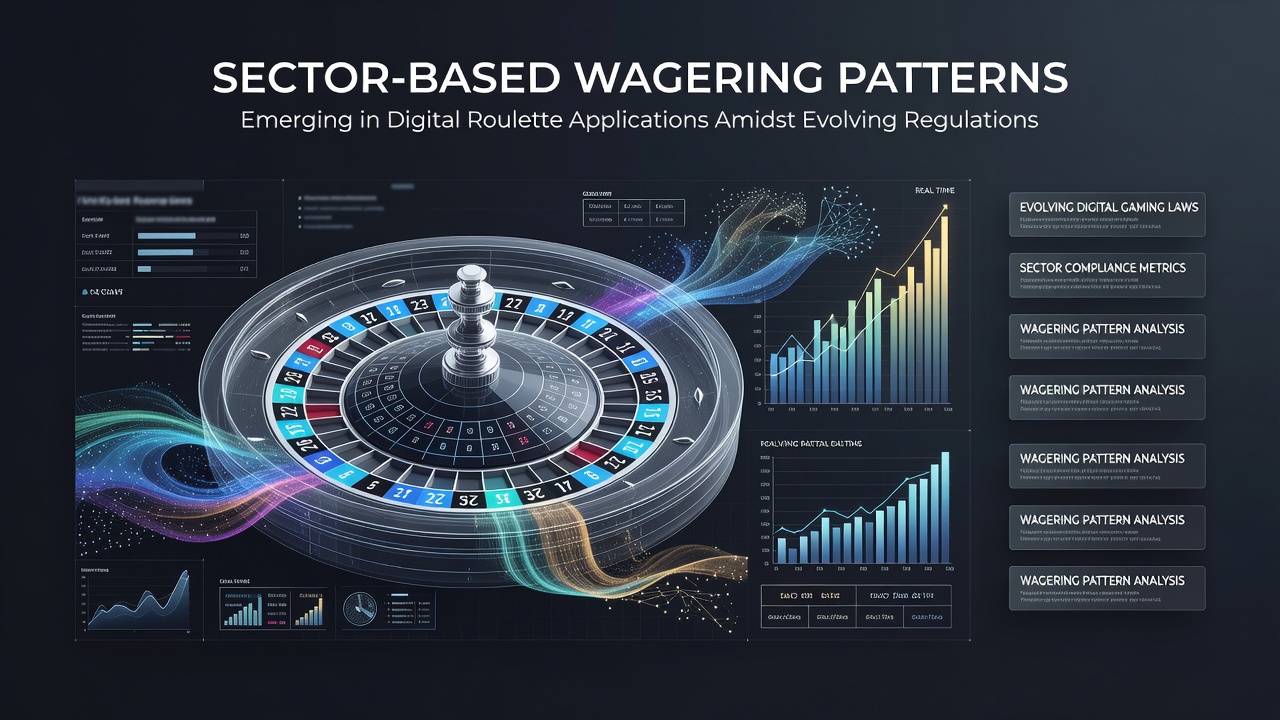
Digital roulette applications continue to see distinct shifts toward sector-based wagering as operators adjust features to meet new compliance standards across multiple jurisdictions, and players respond with increased use of grouped number selections on the wheel. These patterns include voisins du zéro, tiers du cylindre, and orphelins, which cover specific wheel segments rather than individual pockets, and data from platform analytics show rising engagement with these options in app environments where touch interfaces simplify selection of neighboring numbers.
Regulatory Frameworks Drive Interface Adjustments
Authorities in various regions have introduced measures that affect how digital roulette presents betting choices, and operators respond by embedding sector tools directly into mobile layouts while adding prompts for session limits. The Nevada Gaming Control Board has updated its technical standards for remote gaming systems in ways that encourage clearer display of bet types including announced wagers, and similar guidance from the Malta Gaming Authority emphasizes transparency in how apps categorize wheel sectors for users. These changes coincide with broader efforts to standardize responsible play features, and applications now integrate quick-select buttons for wheel segments alongside standard inside and outside bets.
Developers have adapted code structures so that sector selections trigger automatic calculations of payouts and house edges within the same screen flow, and this reduces the steps required compared with manual placement on virtual layouts. Research from academic groups studying online gambling interfaces indicates that such streamlining correlates with higher frequency of sector use during shorter play sessions, particularly on devices where screen real estate limits traditional felt-style navigation.
Player Behavior Patterns in App Environments
Usage logs from multiple digital platforms reveal that sector wagers often appear in sequences where users place repeated calls on the same wheel portion after initial spins, and this holds across both RNG and live dealer formats. Observers note that apps with customizable neighbor settings see elevated activity around zero and its adjacent numbers, while tiers selections gain traction in European-themed variants. Software providers report that these tendencies emerge more clearly in regions with mature regulatory environments, where apps must log and display detailed bet histories for audit purposes.
One study released by researchers at the University of Nevada Reno examined transaction data from licensed platforms and found measurable upticks in announced bet volume coinciding with interface updates rolled out in early 2026. The patterns persist even as operators introduce friction elements such as confirmation dialogs for high-volume sector plays, and this suggests players actively seek the coverage these wagers provide rather than defaulting to simpler straight-up or column options.
Global Regulatory Variations Shape Development Priorities
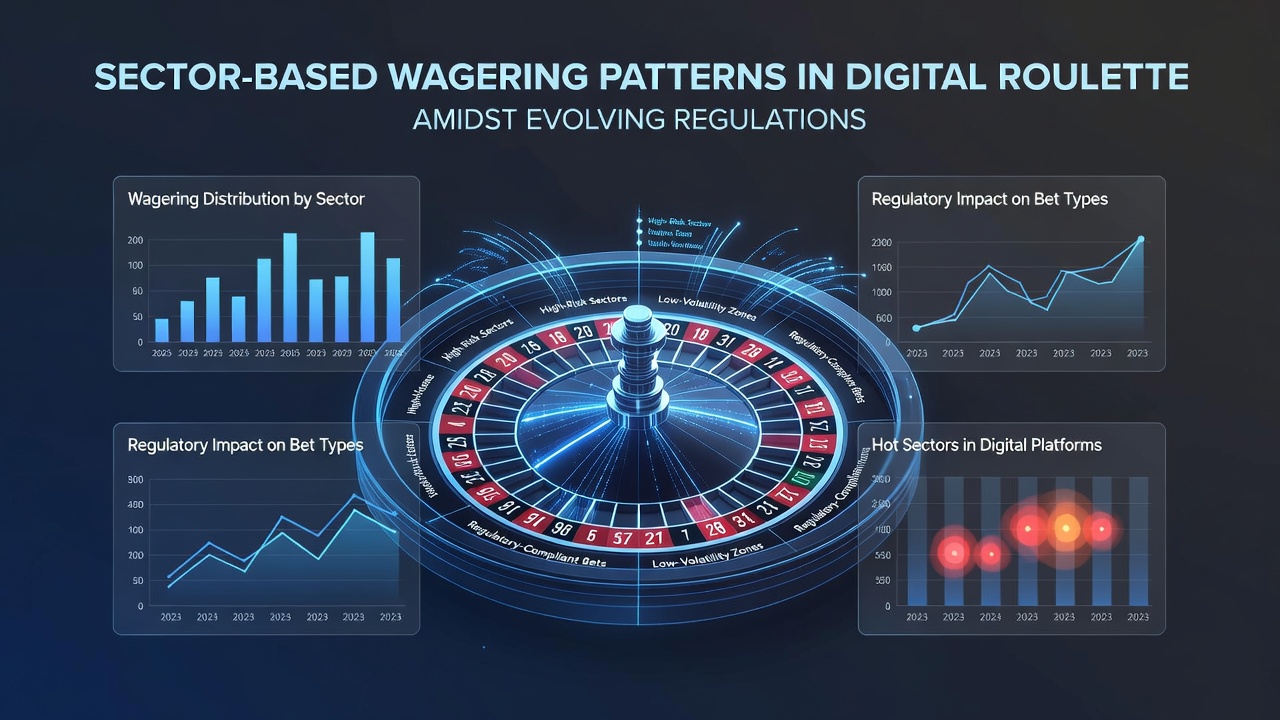
Different regulatory bodies approach digital roulette oversight from distinct angles, and this produces varied implementation of sector tools. Australian state regulators have focused on mandatory display of probability information for grouped bets, while Canadian provincial frameworks emphasize integration with player self-exclusion systems that track sector activity alongside other bet categories. European Union directives on consumer protection continue to influence how apps structure announcements for voisins and orphelins, requiring explicit labeling of covered numbers before confirmation.
Industry reports compiled by the European Gaming and Betting Association highlight that operators allocate development resources toward sector customization modules precisely because these features allow compliance with multiple rule sets through configurable toggles. In June 2026 several platforms introduced unified sector menus that adapt automatically based on user location, and this reduces the need for separate regional builds while maintaining adherence to local display requirements.
Technical Implementation and Fairness Protocols
Random number generators underlying digital roulette must accommodate sector outcomes with the same distribution standards applied to individual numbers, and testing laboratories verify that wheel segment probabilities align with physical counterparts. Certification processes now include specific checks for announced bet modules, ensuring that neighbor groupings execute without introducing bias in payout calculations. Platform logs capture every sector call with timestamp and stake details, which supports regulatory audits and enables operators to monitor for unusual clustering around particular wheel areas.
Developers integrate these requirements into existing RNG frameworks so that sector results remain statistically consistent across millions of spins, and updates in 2026 have emphasized real-time reporting feeds that transmit aggregated sector data to oversight bodies without exposing individual player identities.
Conclusion
Sector-based wagering continues to evolve within digital roulette applications as regulatory landscapes shift across jurisdictions, and the resulting patterns reflect both technical adaptations and documented player preferences for grouped wheel coverage. Data from platform operations and independent analyses demonstrate measurable growth in these bet types alongside ongoing compliance refinements, while global variations in oversight produce tailored implementations that maintain consistency in core mechanics. These developments remain grounded in measurable usage metrics and regulatory documentation rather than isolated trends.